Navigating the immigration detention system is confusing. We built this guide to help Arizonans
The idea for the guide started when I realized just how confusing and frustrating the immigration detention system is for our neighbors impacted by family separation and potential deportation.


This column was originally published by CALÓ News in collaboration with Somos Tucson, with the support of Altavoz Lab.
Haz clic aquí para leer esta columna en español.
A young woman tells her two younger brothers to settle down as we inch closer to the metal detector. She hugs them and tells them she loves them. “I love you more,” the youngest teenage boy quickly responds, hugging her back. His nervous energy and excitement are apparent as his leg bounces up and down.
The three siblings are in front of me in line, ready to see their dad, who has been detained in Eloy Detention Center for about a month.
Despite their age gap, the teen boy is taller than his sister. He wears a plain white T-shirt after lending his sister the button-up he wore when they first walked in. Her tank top is against the dress code at the detention center, and they found a quick solution that would get them to see and hug their dad sooner.
When I get to the front of the line, I’m turned away because the blouse I’m wearing has lace trim along the collar and sleeves. It’s a top I’ve worn in professional settings often, but that day I learned just how limited and restrictive a detention center’s visitor dress code is.
As an immigration and justice system reporter, in July 2025 I visited someone who was detained in Eloy Detention Center for a story I was working on. It was my first time visiting an immigration detention center, and I quickly realized I was not the only one unfamiliar with the process.
This immigration detention guide grew out of what I witnessed during that first visit.
It’s a resource guide that is the result of months of reporting work — listening to families’ experiences navigating immigration detention, connecting with community organizers and immigration lawyers and verifying government-provided information.
The bilingual project was made possible with support from the Altavoz Lab Community Journalism Fellowship, editing and guidance from editors at CALÓ News Arizona and Somos Tucson and contributions from Phoenix-, Tucson-, and Nogales-based independent journalists who care about the communities they live in and contribute to and sought to spotlight how immigration enforcement is impacting families in Arizona.
The idea for the guide started more than a year ago, when I realized just how confusing and frustrating the immigration detention system is, especially for our neighbors impacted by family separation and potential deportation who deal with the stress and emotional toll that comes with managing those crises.
After telling me my blouse was against the dress code, the security guard suggested I drive 15 to 20 minutes to the nearest store and come back wearing appropriate clothing. I could tell it was a speech she’d given several times. And when I visited Eloy a second and third time, I heard the same guard give the same speech to other women who wore sleeveless maxi dresses or sandals to visit their loved ones.
When I returned wearing a new T-shirt, I noticed a lady walking toward the entry gate holding a bag with food. She also carried her purse and phone. It broke my heart to tell her they would not let her in with any of it. She had to leave all of it in her car.
“I can’t have lunch with my husband?” she asked me, on the verge of tears.
Once inside, I overheard visitors sharing stories about their first time visiting someone in immigration detention, wondering aloud whether they would get to hug their loved one. It was an eye-opening experience — seeing young adults with even younger siblings eager to see their father, women trying to calm their babies and toddlers while waiting sometimes more than an hour before being called into the visitation room.
Later that day, I wondered if all these visitation rules were easy to find. Was any of it common knowledge? Or did you have to know someone who had been through the process to have insight?
So, I got to searching. It took me an hour or two to find and download the PDFs from the website of the private company that manages detention centers and other prisons in Arizona, CoreCivic. The documents outline the visitation and communication process and rules. They’re only in English.
Around the same time, my editors and I noticed questions and discussion about immigration processes being posted on Facebook groups, like how to find out which detention center a loved one was sent to; how to find a good lawyer and how to communicate with someone in detention.
We understood then just how messy the detention system was and that as journalists we could come up with a resource to help people navigating it.

It took a village
Plenty of information exists online that is intended to help people navigate the immigration detention system, but the information I found is vague and generalized, focused on nationwide processes, or scattered and divided into specific topics.
We wanted to produce a guide specific to the Arizona communities that we live in and serve and that directly addressed requirements in detention centers in the state, that answered the questions coming from community members and provided local contacts they could reach to get the answers they needed.
The grant from Altavoz Lab helped us fund the editorial work for the guide and — more importantly — the community listening sessions. Altavoz’s support went beyond just financial backing. We worked for months with mentors who guided us through the process and provided the entire cohort with tools for local journalism. We learned alongside our colleagues and drew inspiration from them and their projects across the country.
At the same time, we met with extended family members, acquaintances and community groups who have had loved ones in Eloy and Florence detention centers or have been in detention themselves.
We spoke with immigration attorneys that generously shared their time to talk to us about the problems they see when they consult with families.
I talked with volunteers who visit people detained and met with local Rapid Response volunteers and other community advocates who have interacted with impacted individuals and families after someone they love is detained by immigration agents.
All of this informed what we should include in the guide and how to present that information.
Then I made several phone calls to local ICE offices and to Arizona detention centers. I told the operator I was trying to get visitation information for a “family friend” or for “a group of people.” I dealt with impatient ICE officials who demanded a name or A-number for the person I was calling about; otherwise, they couldn’t give me any information. They cut me off as I tried to ask general questions and hung up on me mid-sentence.
I called the customer service lines for GettingOut and ConnectNetwork — communications applications needed to reach loved ones in detention — and asked about the cost of phone and video calls. I created accounts on each website, added a person and tested the process right up to the point where it asked for my bank account information. I volunteered to visit a trans woman in Florence, in part so I could understand what each detention center is like, having had experience already in Eloy.
The result is this website, where we’ve compiled answers to questions — from what to wear and what to bring for a visitation to how to add commissary funds to a loved one’s account and what red flags to watch for when contacting a lawyer. We hope it will help alleviate some of the uncertainty and anxiety that comes with having a loved one taken.
Immigration processes change and evolve constantly, and that is especially true during the current administration. We will do our best to update information as policies change.
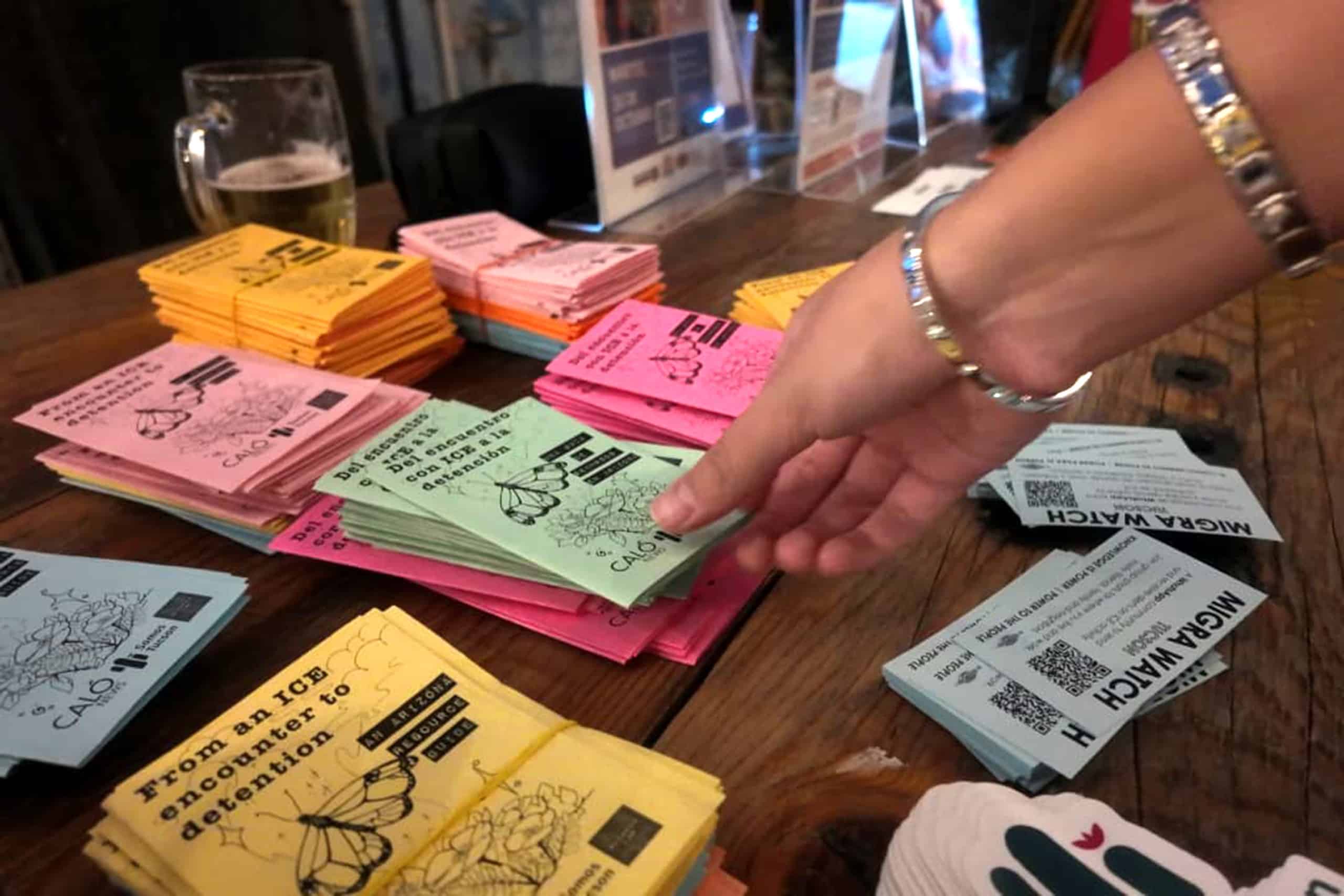
We also decided to create a mini-zine in two versions, Spanish and English — an undertaking that would not have been possible without the selfless, generous efforts of members of the Tucson Zine Fest. Organizers Zac Finger and Elisa Mask were just as enthusiastic about the project as we were, donating their time and talent to design, illustrate, print, and fold the mini-zines.
Families dealing with the immigration system are under enough emotional and financial strain.
They’re trying to find where their loved one has been taken to; are asked to stay on top of court dates and are scraping together thousands to hire a lawyer and pay immigration relief petitions. Often, they are looking to survive while attempting to plan a new life elsewhere. They shouldn’t have to struggle to find clear information in their native language on top of all of that.
We hope this guide can help reduce your frustrations in some small way and provide clarity as you navigate the process.
Author

Related Articles
She spent months in detention. Now she supports other LGBTQ+ migrants fighting detention and deportation
The idea for the guide started when I realized just how confusing and frustrating the immigration detention system is for our neighbors impacted by family separation and potential deportation.
“Ya te atraparon”: One Tucson family’s deportation story from Arizona to Sonora
A family is forced to make a decision — both from inside a detention center in Florence and from the safety of a longtime home in Tucson — that will lead them across a border.
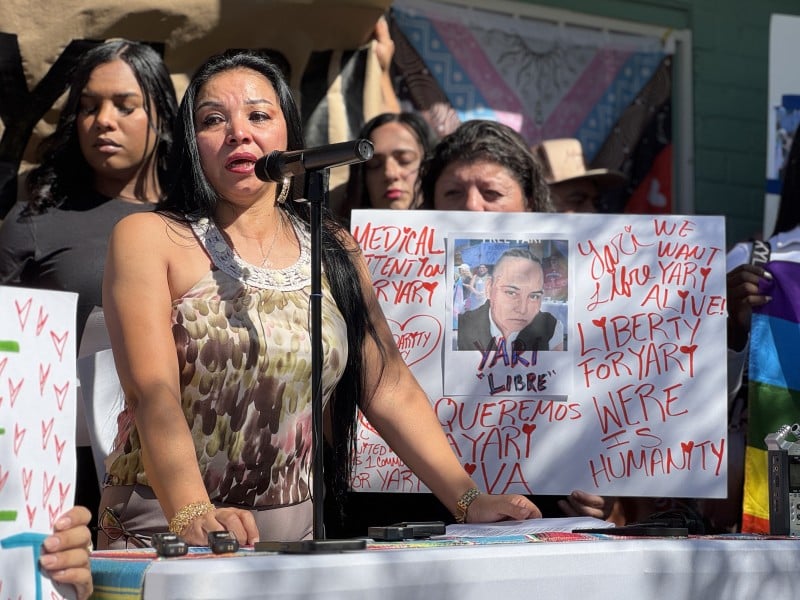
ICE doesn’t release people ‘solely based on illness.’ Yari’s case in Arizona is proof of that
Arbella “Yari” Rodríguez Márquez has been locked up in Eloy Detention Center since February 2025. As the two-year mark nears, her loved ones across Arizona remain hopeful and ignited, fighting for her release.
