📰 A long history of attacks against Spanish-language media
Often underestimated, made invisible and misunderstood, Spanish-language journalists working in the United States have been easy targets for politicians seeking to silence the media. Those of us who have spent decades in Spanish-language journalism know this all too well. The ones who took us seriously were those who wanted to silence us, perhaps because they understood the true power of Spanish-language media: our closeness and connection to our communities.
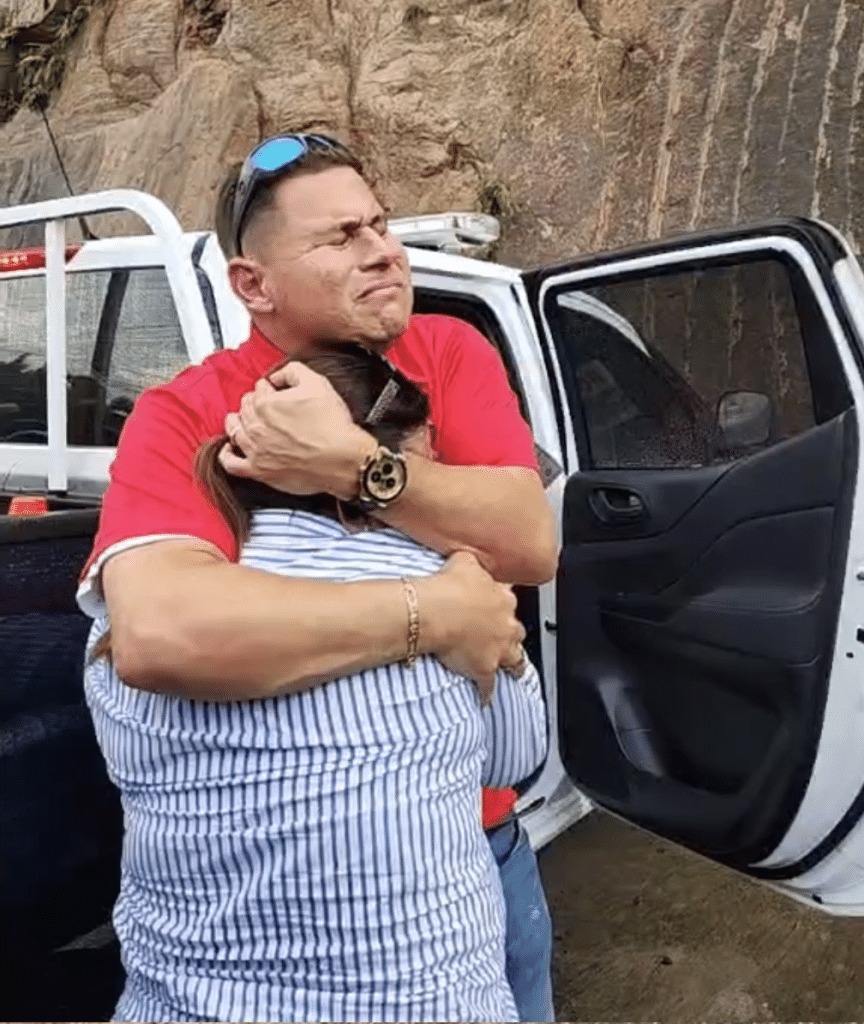
The recent deportation of our dear colleague Mario Guevara from Georgia to El Salvador leaves a deep wound for all journalism professionals and reopens old scars for those of us who have faced discrimination, attacks, and intimidation for doing our work. Yes, this is happening here in the United States.
What happened to Mario is not the result of a single administration but rather the accumulation of actions by many governments that have built an immigration enforcement machinery that also threatens citizens themselves because of the color of their skin. The intersection of our identity, often our immigration processes, and the daily work of reporting on the persecution of immigrant communities, in the streets and in legislatures, has placed us, unwillingly, in the crosshairs for a long time.
It’s hard to know if we could have done something to prevent Mario’s detention. The very fact that it happened reveals the precarious conditions under which many journalists must work, without institutional support, legal teams, or even editors ready to immediately activate a plan for their “rescue.” Mario was his own boss.
The truth is, this tells us a lot about the lack of support for these journalists, who often risk everything despite low pay and scarce resources, driven by a deep commitment to their communities. That must change. There cannot be another Mario.
Mario spent 100 days in detention, much of it in isolation. He described the treatment he received as torture. The government refused to release him on bond even though all charges against him had been dropped. The excuse for his deportation was not his coverage of the “No Kings” marches in Atlanta, but his reporting on ICE raids. They accused him of endangering officers by showing their faces, when the real danger lies in these raids, which disregard due process for thousands of immigrants, citizens, and journalists across the country.
When immigration law is used to silence journalists, it feels as if the First Amendment does not belong to all of us. In moments like this, we can only ask: Who protects the journalists? Who stands beside those who have always stood beside their communities?
— Valeria Fernández – Founder and executive director of Altavoz Lab
Read more about Mario Guevara’s case here.
A version of this was published on our monthly newsletter, if you would like to receive our news subscribe to En Voz Alta on the sidebar.
Author