🎉 Our Fellow’s Impact: Lixandra Díaz Reporting grief with care
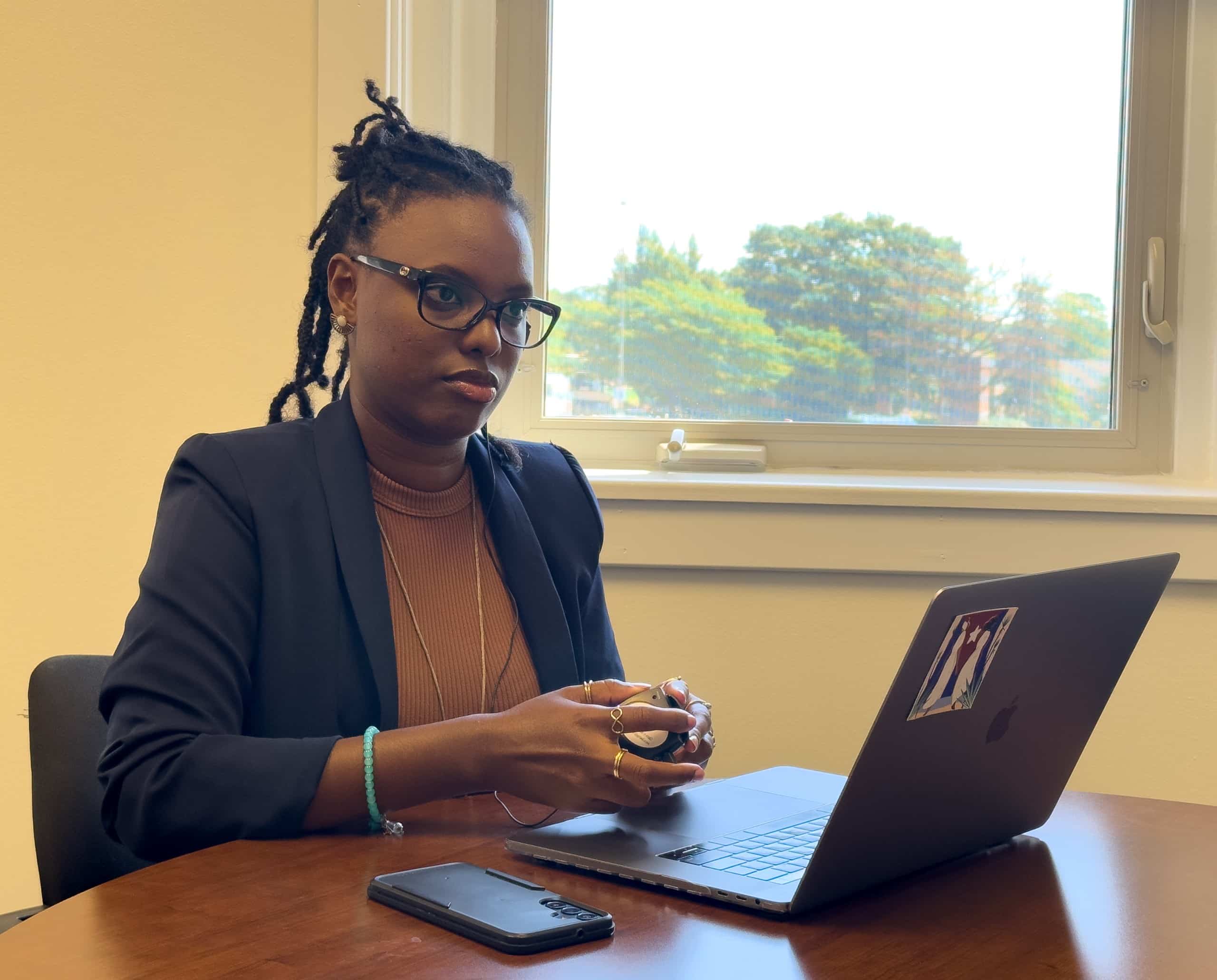
Independent journalist Lixandra Díaz, who reports with Centro Integral de la Mujer Madre Tierra, is investigating how immigration status, access to health care and systemic inequities shape the experiences of Latino migrant families facing perinatal and infant loss in Philadelphia. Her fellowship project examines the emotional, physical and economic effects of these losses through the stories of two Latina mothers and how immigration status, employment, education and access to support networks influence the ways families navigate grief.
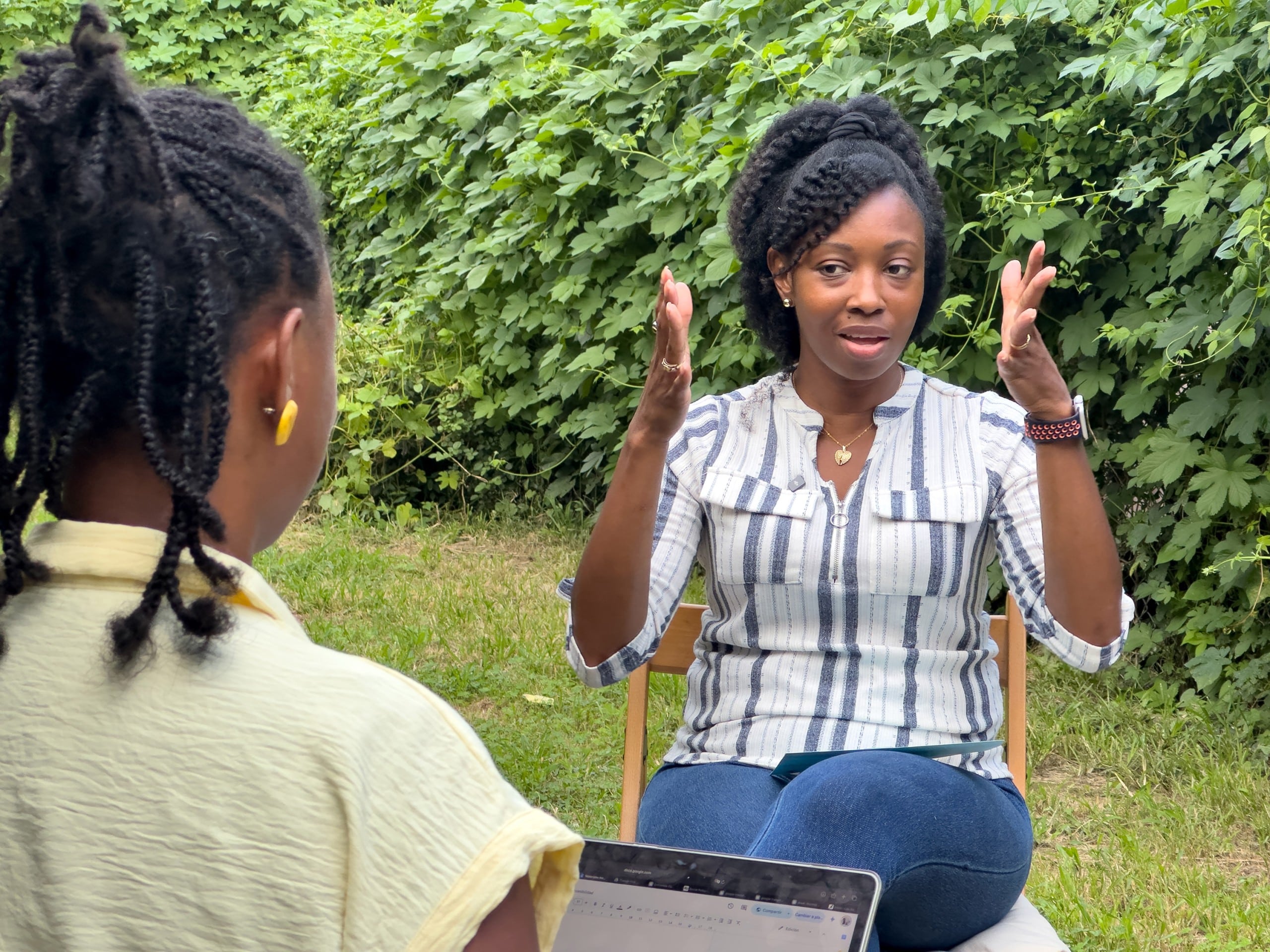
We spoke with Lixandra about the project’s inspiration, the challenges of reporting on grief and the role Altavoz Lab has played in her reporting journey.
Q&A with Lixandra Díaz
What led you to investigate the relationship between immigration barriers and infant mortality in Philadelphia? Was there a particular story or moment that inspired this project?
Gabriela, one of the women featured in the project, shared her story with me one day. She told me that she maintains a deeply spiritual connection with Jacobo and that he remains present in her thoughts every day as a source of strength. She also described her experience going to the emergency room, undergoing a C-section and how confusing the entire process was.
Then I started thinking: she went through all of that in English, she’s Latina, she’s Black and her family was in Colombia. That’s not easy.
I began researching infant and maternal mortality rates in Philadelphia and found repeated accounts of discriminatory treatment. I immediately wondered how many other women were going through similar experiences and, unlike Gabriela, didn’t have health insurance that allowed them to access hospital care and cover the costs.
Shortly afterward, I heard another Venezuelan mother talk about her relationship with Ethan, the son she lost at seven months of pregnancy. In her case, her immigration status only allowed her to qualify for emergency health insurance, which is typically limited to labor and delivery.
Seeing those two examples made me realize that immigration status, access to support resources and educational background shape how mothers experience these losses within the medical system. So I decided to investigate the extent to which this was happening.
I also think this was a strong motivation for me: rather than hiding their grief, these mothers spoke naturally about their children and the connection they continue to feel with them. I believe making these experiences visible is also a way to show the different ways mothers can process grief.
How has Altavoz Lab’s support influenced the development of this project, and what has it meant to be part of the fellows community?
This project brings together many interconnected issues, especially those involving the health care system and immigration policy. Organizing all of that information isn’t easy, so the mentorship has been incredibly important in helping me structure the reporting, determine what is essential and ensure the evidence supporting my investigation is solid.
As I mentioned before, I also needed time to emotionally process everything I was learning. I’m a journalist, but I’m not made of iron. Having Altavoz Lab’s support allowed me to step away when I needed to, and I believe those moments helped me approach the reporting with greater clarity and consistency while remaining deeply empathetic.
Being an Altavoz Lab fellow fills me with pride. I say it everywhere I go. The team, the mentors and my fellow fellows all do incredibly valuable work. As a migrant journalist, becoming part of a community that shares knowledge, supports one another and offers guidance throughout the reporting process has been essential. It has helped me learn professional practices and protocols for working with sources, protecting both myself and my sources, and strengthening my work as a local journalist.
Philadelphia has an infant mortality rate nearly 40% higher than the national average. What are the main structural inequities affecting migrant families, and how do they shape access to health care, mental health support and workplace protections during grief?
Immigration policy shapes nearly everything. If a mother does not have regularized immigration status, her health insurance options are more limited, and therefore the level of prenatal care she receives also varies.
At the same time, immigration status determines what employment opportunities are available, which affects nutrition, overall care during pregnancy, the ability to attend medical appointments and access to leave under the Family and Medical Leave Act (FMLA) to process the loss.
That leave also depends heavily on the employer because Pennsylvania does not have a bereavement leave law. If mothers request time off to grieve and are denied or dismissed from their jobs, they have no legal protections to support them.
Meanwhile, fathers often continue working to pay the bills while also grieving, within a society that offers few spaces for men to cry or openly express their pain.
When you add the fear many migrant families have of seeking medical care because they worry about being detained by ICE, the increased vulnerability of workers’ rights in this environment and the new Medicaid eligibility requirements taking effect in October of this year, the situation becomes even more complex for families experiencing loss in 2026.
What barriers do families face that often go unnoticed by people who have not lived this reality?
Language barriers, the higher likelihood of experiencing racial discrimination in obstetric care, the absence of family or culturally empathetic support networks, the costs of both pregnancy-related care and funeral planning, the strain these losses can place on a relationship and the social pressure placed on families to have another child or “move on” quickly after a loss all create additional challenges that often go unseen.
“I hope this story helps families feel supported throughout the grieving process. I want them to find respectful, judgment-free spaces where they can talk about their experiences and understand that they are not alone—that many other families are living through similar situations. I also hope the reporting gives them a clearer understanding of what to expect from the medical system and how to advocate for their rights when a loss occurs.”
— Lixandra Díaz
Your investigation documents experiences that have been largely absent from the public conversation. Why do you think these stories have remained invisible, and what impact do you hope this reporting will have on migrant families, health care providers and policymakers?
I believe these experiences are not discussed often enough. Within many communities, there is still a great deal of stigma surrounding pregnancy and infant loss: people are afraid to ask questions or say the wrong thing, religious interpretations influence conversations and there are many assumptions about what a mother should do after experiencing this kind of loss. All of that makes it harder to talk openly about the issue.
At the public policy level, discussing perinatal and infant death means recognizing the systemic factors behind these numbers and acknowledging that the situation may not be monitored with enough depth. It’s important to remember that this is not an isolated issue. In 2024 alone, the United States recorded more than 39,800 perinatal and infant deaths. Latina migrant mothers experience these losses while facing additional vulnerabilities within the system.
I hope this story helps families feel supported throughout the grieving process. I want them to find respectful, judgment-free spaces where they can talk about their experiences and understand that they are not alone—that many other families are living through similar situations. I also hope the reporting gives them a clearer understanding of what to expect from the medical system and how to advocate for their rights when a loss occurs.
I would also like health care providers, especially those serving immigrant communities, to develop stronger relationships and protocols for supporting families during pregnancy, childbirth and the postpartum period, while offering specialized grief resources.
From a public policy perspective, I hope this reporting encourages greater attention to the need for bereavement leave and maternity leave policies that reflect the realities of vulnerable communities in Philadelphia and Pennsylvania, while addressing the legal gaps that leave many families without protection.
Reporting on the loss of a child requires tremendous sensitivity. How have you approached working with grieving families, and what ethical principles have guided your reporting?
The first step was extensive research so I would know what questions to ask both the families and the institutions involved. I wanted to avoid saying anything inaccurate during interviews, but the key was listening and respecting each person’s perspective.
It was essential to give families time, conduct interviews without rushing and meet with them more than once: an initial conversation to build trust and help them feel comfortable speaking with me, followed by another interview focused on the details of their story. The women themselves set the pace and decided how they wanted to be identified and how they wanted the world to understand their relationship with their children.
We created space for breaks whenever they needed them and always respected their right to decide what private experiences they wanted to share and what they preferred to keep to themselves. Given the complexity of these stories, we also interviewed family members and friends who had been part of those experiences.
I continue checking in with the women even when we don’t have interviews scheduled. I ask how they’re doing and whether there’s anything they need to feel more comfortable throughout the reporting process.
Personally, I’ve also had to develop routines to take care of myself before and after interviews because, in order to truly listen and ask difficult questions, I need to be emotionally strong.
I’ve found it helpful to step away from the topic for a day after interviews or after spending long hours reviewing scientific studies, health system reports and stories from other states. Going for a walk or listening to music helps me process everything because the emotional weight of this reporting doesn’t simply disappear.
To be honest, I’ve also had to recognize the ways these stories connect with my own life, prompting me to reflect on my own experiences and consider how I’ll approach future investigations of similar scope.
A version of this was published on our monthly newsletter, if you would like to receive our news subscribe to En Voz Alta on the sidebar.
Author