🎉 Our Fellow’s Impact: Stephanie Casanova Community-centered reporting to help families navigate immigration detention
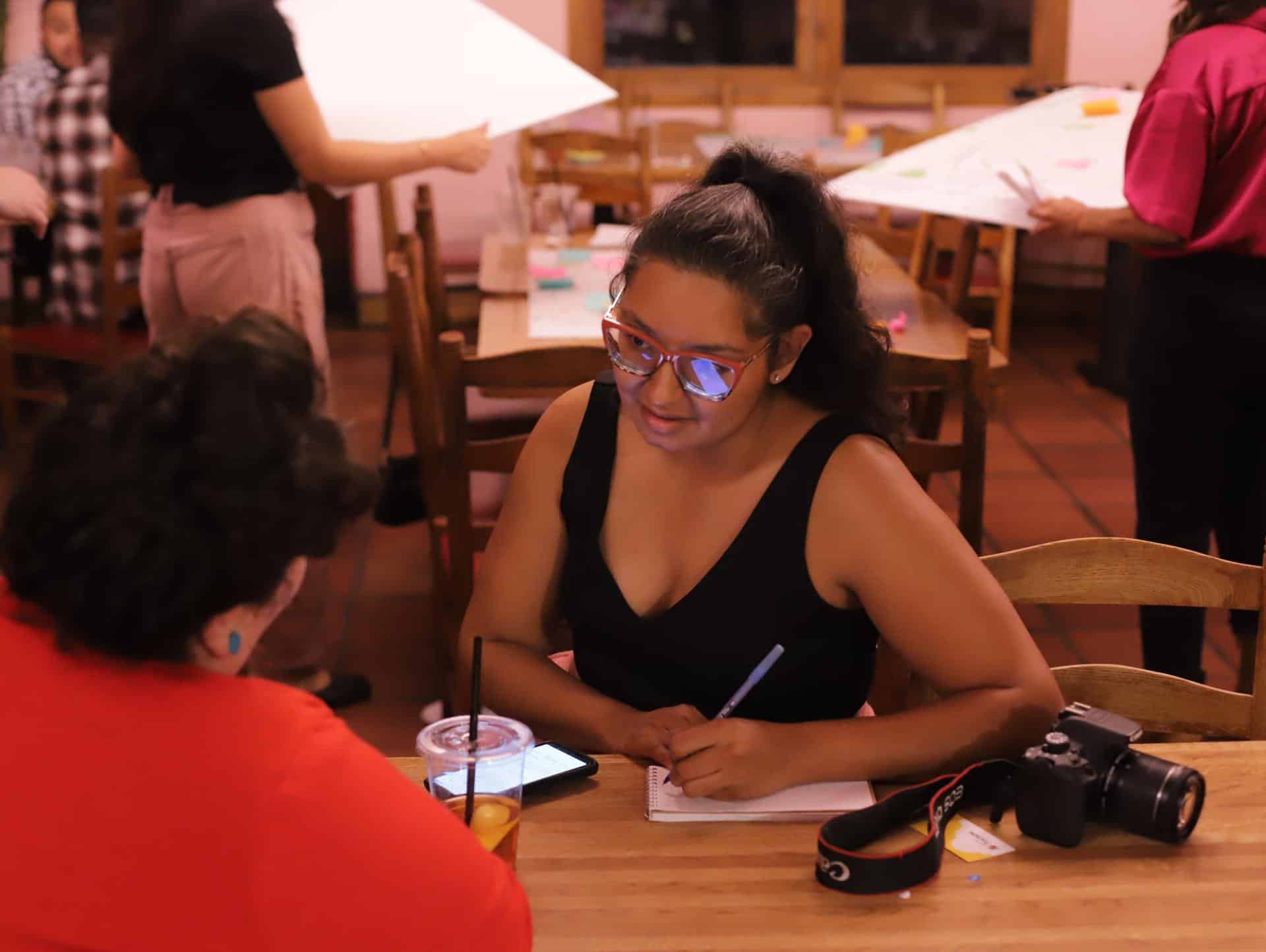
The immigration detention system is confusing, overwhelming and constantly changing, presenting major challenges to migrant families. Through her Altavoz Lab Community Journalism Fellowship, independent bilingual journalist Stephanie Casanova is partnering with CALÓ Arizona and Somos Tucson to create a practical resource that helps families navigate that reality with clear, accessible information. Casanova, who is based in Tucson, Arizona, has spent more than a decade reporting community stories through narrative, investigative and solutions-focused journalism that reflects the diversity of the communities she serves.
Casanova’s fellowship project includes a printed pocket guide distributed through trusted community organizations, a continuously updated online guide available in English and Spanish and at least two community-centered stories documenting how migrants and their loved ones navigate immigration detention in Arizona.
In this interview, Casanova shares what inspired her project, how community members have shaped every stage of its development and why she believes accessible, bilingual information can make a meaningful difference for families facing one of the most difficult moments in their lives.
Q&A with Stephanie Casanova
How did this project begin, and what inspired you to lead this bilingual, community-centered reporting effort?
Last summer, I was visiting Eloy Detention Center for a story I was reporting. It was my first time visiting a detention center. I wore a modest, black blouse – one I have worn in professional settings and job interviews – with lace along the collar and on the sleeves. As I reached the front of the line to go through the metal detector, the employee working the desk told me I would not be allowed in because of the lace on my shirt. She suggested I go to Walmart – about a 20-minute drive away – or the Family Dollar – about 15 minutes away – to buy a t-shirt. I drove to Walmart, bought a t-shirt and joggers, worried that the metal clips on my slacks would set off the metal detector, changed in a Walmart bathroom and drove back to the detention center.
As I was crossing the parking lot to go back into the prison, a lady walking behind me carried a bag with takeout, her purse and phone in hand. I felt bad telling her she would have to leave the food in her car. “I can’t have lunch with my husband?” she asked, on the verge of tears. “No, I’m sorry,” I told her. I advised her to leave everything in her car, including her phone, and bring only her license and car keys.
Once inside, I overheard visitors sharing stories about how it was their first time having to visit someone in immigration detention, wondering out loud whether they would get to hug their loved one. It was an eye-opening experience, seeing young adults with even younger siblings eager to see their father, or women trying to calm their babies and toddlers while waiting sometimes more than an hour before they’re called into the visitation room.
When I got home later that day, I started looking online for guidelines on what visitors were allowed to bring into a detention center, and for a visitation dress code. It was hard to find updated information specific to Eloy. CoreCivic, the company that runs the detention center, has downloadable guidelines for each center, but they’re only in English.
At the same time, I was seeing conversations on Facebook where people would ask how to find out which detention center their loved one was sent to, how to find a good lawyer, and how to communicate with someone in detention, among many other questions.
I understood then just how messy the detention system was, and how frustrating it must be for families to figure things out while under the stress of family separation, immigration court proceedings and potential deportation. I wanted to create a guide that could help people navigate the immigration detention system, that would be available in Spanish, and could walk people through everything from how to find their loved one who was detained to how to prepare to visit them in detention. And I wanted that guide to be specific to Arizona detention centers, answering the questions I saw coming from my community members and providing local phone numbers they could call to get the answers they needed.
“I wanted to create a guide that could help people navigate the immigration detention system, that would be available in Spanish.”
— Stephanie Casanova
What community needs are you addressing through this work, and how have community members or organizations shaped the approach so far? How is the community shaping this project, and how are you ensuring their voices and needs are reflected throughout the reporting process?
The guide will include many ways people can look for the location of someone in immigration detention if they don’t know which detention center the person was sent to. It will also include specific instructions for how to communicate with them, how to deposit money for their commissary, how to schedule and prepare for a visit, and tips for finding the right lawyer and other community resources.
As I worked to come up with what information to include in the guide, I met with extended family members and acquaintances who have had loved ones in Eloy and Florence detention centers, I spoke with immigration attorneys about what problems they’re seeing when they consult with families and I spoke with volunteers who visit people detained in the two immigration prisons. I also met with local rapid response volunteers and other community advocates who have interacted with families after someone is detained by ICE. I took notes on some of the discussion topics I saw on social media. All of this informed what I should include in the guide and how to present the guide.
While working on the guide, I have met with community members who have either formerly been in immigration detention or who have had family members detained. I presented an early draft of the guide and asked for their input. I asked them, am I missing something? Do you have other questions?
How are you making this project accessible to migrant communities and families? What is the purpose of producing both a printed short guide and a continuously updated digital guide, and how do you see each serving different community needs?
The guide will live online both in English and Spanish, with easy-to-navigate drop-down sections so that a person can jump straight to the information they need. We will also produce a mini-zine with an edited version of the information. The mini-zine will include short links to resources like the ICE detainee locator, important phone numbers, and a QR code directing them to the more thorough online guide.
The mini-zine is meant to be a quick resource, something they can keep in their purse or wallet and refer to easily. It will be bullet points someone can use to answer their question at the moment.
The online guide will provide far more information, including tips on how to find an immigration lawyer and community resources they can turn to for emotional support or financial help like grocery drop-offs. One thing we have learned as we talk to community members and immigration lawyers is that the immigration system is constantly changing. Lawyers have to keep up with these changes, as the federal government strips temporary protected status from groups of people, targets people with legal work permits who were previously not a priority for deportation, and changes or tries to change the way immigration laws are interpreted. A printed guide alone could become outdated within months of publication. The digital guide and our commitment to update it as we see major changes that could impact the information, would better serve our community.
What do you hope this project offers to migrants and families navigating the immigration detention system?
I hope this guide reduces some of the stress and confusion for families navigating immigration detention. I want it to be a resource that is easy to find and understand. Families dealing with the immigration system are under enough emotional and financial strain when a family member is detained. They’re asked to stay on top of court dates, they’re scraping together thousands to hire a lawyer and pay immigration relief petitions. They shouldn’t have to struggle to find clear information in their native language on top of all of that. If this guide can help reduce their frustrations in some small way and provide clarity as they navigate the process, it will be well worth all the work we put into it.

A version of this was published on our monthly newsletter, if you would like to receive our news subscribe to En Voz Alta on the sidebar.
Author