🎉 Our Fellow’s Impact: Jewél Jackson
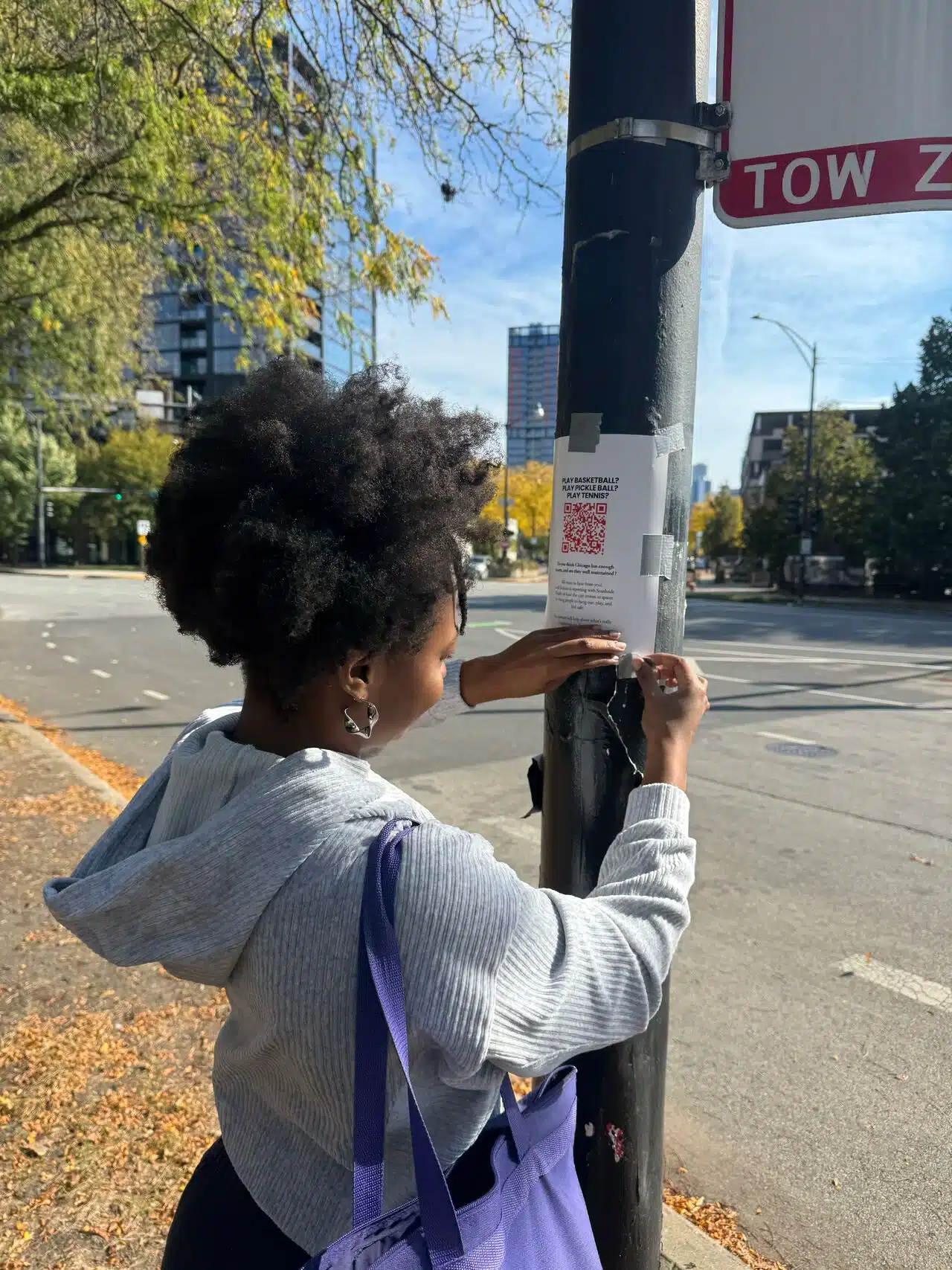
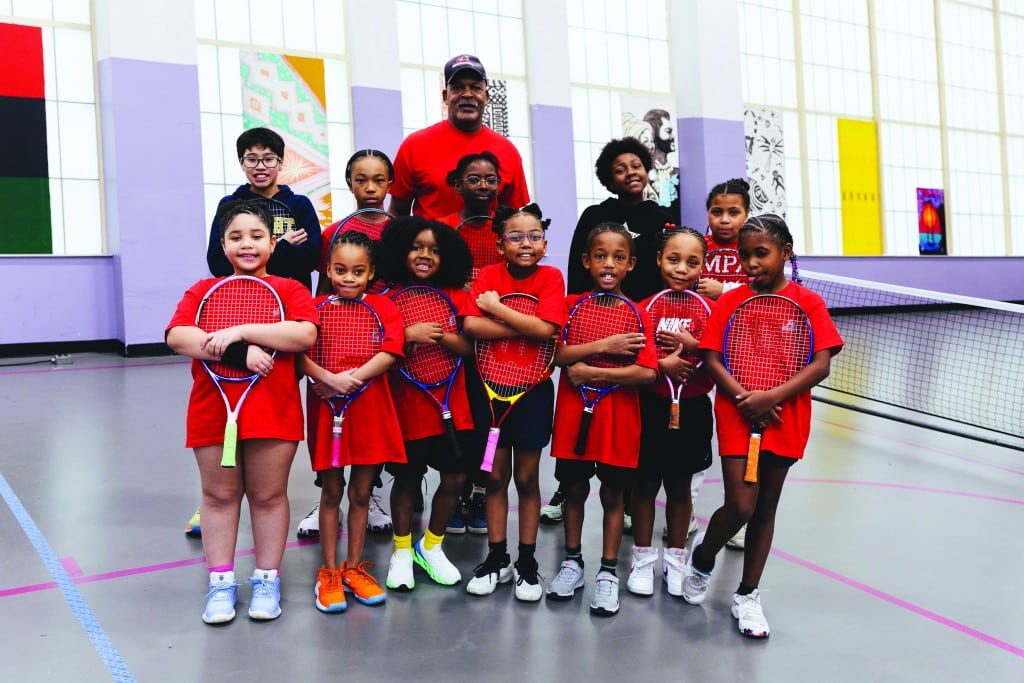
Jewél Jackson, a 2025 Altavoz Lab Community Journalism Fellow, reports with South Side Weekly on the growing need for safe, accessible sports spaces for youth across Chicago’s South and West Sides.
Through community surveys and on-the-ground interviews with youth, families, and coaches, Jewél highlights the barriers to accessing well-maintained courts and indoor facilities — especially during Chicago’s long winters, when many programs are forced to pause.
Her reporting highlights:
- A lack of indoor sports facilities, limiting year-round access for youth
- Deteriorating conditions like broken courts, poor lighting, and unsafe spaces
- Inequities in public investment, as some facilities expand while others decline
“The community engagement element of this fellowship revealed to me how little journalists are physically in the communities that we report on.”
—Jewél Jackson, Altavoz Lab 2025 Fellow
Q&A with Jewél Jackson
As a 2025 Community Journalist Fellow with Altavoz Lab, what inspired you to report on the need for more indoor sports facilities for youth on Chicago’s South and West Sides?
The story evolved to the topic after listening to community members about their needs and wants. My aim for this story was to focus on youth experiences and spaces that allow kids to have fun and be safe. But after surveying and talking to youth, parents and community members, I found that sports are an integral part of how youth learn, connect and have fun with one another. After all, Chicago is a city that celebrates sports legends like basketball player Michael Jordan, and that identity is proudly woven into the interests of youth. Despite this, barriers to sports exist due to the conditions of outside courts and a lack of indoor facilities for winter time activities.
Through your reporting and community surveys, what were the most common concerns parents, youth, and residents shared with you about local parks and sports facilities?
A lot of concerns were rooted in the differences between north side or downtown courts versus south and west side courts. If you drive through downtown Chicago, you see outside courts with lights, little to no trash and paved courts with no cracks. But if you drive through some South or West sides, the reality is the opposite; courts are filled with trash, broken glass, little to no lights, no fences and cracked courts. A lot of parents understand these differences to be rooted in the level of investments that certain neighborhoods receive compared to others. For youth, the disinvestment becomes personal, as in, ‘what did I do to receive or deserve this’?
How has participating in the 2025 Community Journalist Fellowship with Altavoz Lab shaped the way you approach community-centered reporting on issues like youth recreation and public investment?
The COVID-19 pandemic forced journalists to become comfortable with virtual interviewing and relying on technology to connect with people. When parents and youth saw me at the parks and courts, they were happy but often surprised to see a journalist making community connections and showing up in person to interview them. Those moments of surprise have reminded me of the importance and richness of putting the phone down and just simply showing up. I will continue to carry that insight for future stories to come.
A version of this was published on our monthly newsletter, if you would like to receive our news subscribe to En Voz Alta on the sidebar.
Author