📰 Building the Nick Oza Visual Fellowship: A Conversation with Yunuen Bonaparte
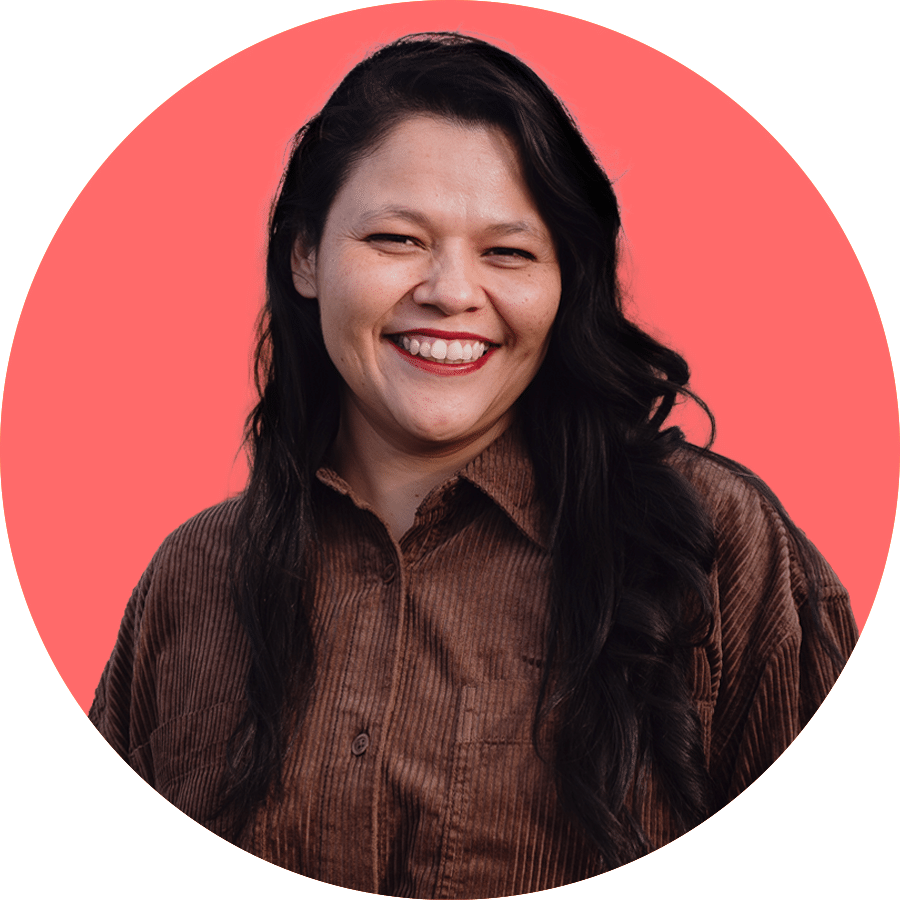
We’re thrilled to introduce Yunuen Bonaparte, Altavoz Lab’s new Operations and Program Coordinator, who is leading the coordination of our inaugural Nick Oza Visual Fellowship. An award-winning photojournalist and art director, Yunuen brings deep expertise in visual storytelling that centers Latino and underrepresented communities.
In this conversation, Yunuen shares how the fellowship came to life through the vision of Valeria Fernández and the generosity of Nick’s community, what makes this opportunity unique, and how it will support photographers committed to community-rooted storytelling. “Communities are not ‘voiceless’; they’re too often unheard,” she explains. “My work at Altavoz is about amplifying those voices.”
The fellowship provides more than funding, it offers year-long mentorship with Bear Guerra, portfolio reviews with industry professionals, and support for community engagement projects that bring the work back to the people being documented.
We’re nearly at our fundraising goal for the inaugural year. Every contribution helps us honor Nick’s legacy and support the next generation of visual storytellers. Applications open January 18, 2026.
Q&A With Yunuen:
How would you describe your role at Altavoz Lab, where you wear many hats and play a vital part in the organization’s operations?
My role coordinating the inaugural Nick Oza Visual Fellowship is an extension of why I became a photo editor in the first place: to help photographers tell their stories with clarity, dignity, and power. I believe communities are not “voiceless”; they’re too often unheard. My work at Altavoz is about amplifying those voices by helping fellows thoughtfully shape and present their visual narratives — not only through the Nick Oza Visual Fellowship, but also by reinforcing the importance of strong visuals within the Community Journalists Fellowship.
Beyond the fellowships, I also contribute to Altavoz’s broader visual identity, using design and creative direction to ensure our work is both compelling and accessible. Design plays a major role in how audiences perceive stories, and I take pride in creating visuals that invite people in. Having collaborated over the years with Valeria Fernández, the founder of Altavoz Lab, I knew this would be the right place to bring my skills in editing, design, and creative strategy together. Here, I’m able to support journalists, strengthen the organization’s visual presence, and help build a space where community-rooted storytellers can thrive.
How did the idea for the Nick Oza Visual Fellowship come to life?
The Nick Oza Visual Fellowship came to life through the vision and determination of Valeria, who was Nick’s longtime collaborator and close friend. She deeply understood both his artistry and his commitment to community-rooted storytelling. Visual journalism has always mattered to her; whenever we worked together, she made sure the visuals were as thoughtful and intentional as the reporting itself.
For a long time, Valeria talked about creating a fellowship that would support photographers working in the spirit of Nick’s values. As she shared the idea with others, the fellowship began to take shape.
What made Nick Oza’s work and approach to storytelling so impactful?
I never had the pleasure of meeting Nick personally, but I’ve heard countless stories from visual journalists across the country who spoke about his generosity, humility, and deep respect for the people he photographed. Looking back at his work, it’s clear why he left such a mark. His images carry an intimacy that never feels intrusive — he photographed people with dignity, patience, and honesty. Nick wasn’t chasing the most dramatic frame; he was committed to showing the truth of people doing their best in difficult circumstances.
A story by Jude Joffe-Block, one of Altavoz Lab’s advisory board members, helped me understand just how deeply he was trusted by the communities he served and the impact he left. His legacy is a reminder of the mission many of us share as visual storytellers.
How have people who knew or worked with Nick contributed to this fellowship?
Nick surrounded himself with a generous, tight-knit community of journalists, friends, and collaborators who cared deeply about him and the work he championed. When the idea of the fellowship was announced, the response was immediate; people stepped up to raise the first $15,000 in just a few months.
This fellowship exists because of them: a true community effort born from love, respect, and a desire to continue Nick’s mission. We’re proud of this humble beginning, and we’re continuing to raise the remaining funds so we can fully support the inaugural fellow, and, hopefully, sustain this fellowship for years to come.
What makes this fellowship unique compared to other photography opportunities?
The Nick Oza Visual Fellowship is more than a project grant. Our goal is to ensure the work returns to the community it comes from, whether through local exhibition, publication, community gathering, or other form of engagement. We’re also committed to long-term support. The fellowship provides mentorship, access to editors and industry professionals, and guidance to help build sustainable pathways in a volatile field.
In short, we’re not just funding a project; we’re investing in a photographer’s growth, network, and career, while making sure the community being documented is centered and honored throughout the process.
What qualities or perspectives are you looking for in the inaugural fellow?
We’re looking for someone who is truly rooted in the community they’re documenting; someone who has spent time listening, learning, and building trust. Strong images matter, of course, but so does understanding the nuances and lived experiences of the people in the story. We also want a photographer who is eager for mentorship and open to refining their visual language. Growth requires vulnerability and curiosity, and we hope to support someone who is ready to embrace both.
What advice would you give to photographers who want to apply but feel unsure or intimidated?
Don’t count yourself out. It’s too easy to self-reject, especially in an industry where rejection is common. But growth comes from putting yourself forward, even when it feels uncomfortable. Trust your skills, trust your story, and trust that your perspective matters. And don’t hesitate to reach out! We’re here to answer questions, offer guidance, and help you shape your idea.
Whether or not this is the right fellowship for you this year, the process of articulating your project is already an investment in your future work.
How will the fellowship support and uplift the selected fellow over the year?
We’ll be in close contact with the fellow throughout the year to ensure they have the resources and guidance they need. The fellow will meet monthly with their mentor, Bear Guerra, and at least three times in person to build trust and discuss the project in depth.
Altavoz Lab will also support the community engagement component, which might feel daunting at first. Whether it’s a gallery show, a quermes (neighborhood event), a pop-up installation, or even street-level signage, we’ll help you with the logistics of bringing the work back to the community.
The fellow will join the Community Journalists Fellows meetings and workshops, gaining a peer network of reporters committed to similar values. On top of that, we’ll arrange one-on-one portfolio reviews with established editors, art directors, and photographers to help them expand their professional circle.
When the fellow succeeds, the community succeeds — and we’ll be there every step of the way to make that possible.
How can the public support this initiative and help carry Nick Oza’s legacy forward?
We’re close to fully funding the inaugural year, and we need the community’s support to get across the finish line. Any donation, large or small, helps ensure the fellow has everything they need to bring their project to life. If donating isn’t possible, sharing the fundraiser goes a long way. We all have that tía who’s always ready to give $5 to something meaningful.
And if you’re in Arizona or New Mexico, please spread the word to local photojournalists or newsrooms. We want this opportunity to reach the people who can benefit from it most. And remember that applications open on January 18, 2026!
| [Support the Fellowship] | [Sign up for the Informational Webinar] | [Learn More] | 📄 Question? Reach out through our questions form |
A version of this was published on our monthly newsletter, if you would like to receive our news subscribe to En Voz Alta on the sidebar.
Author